
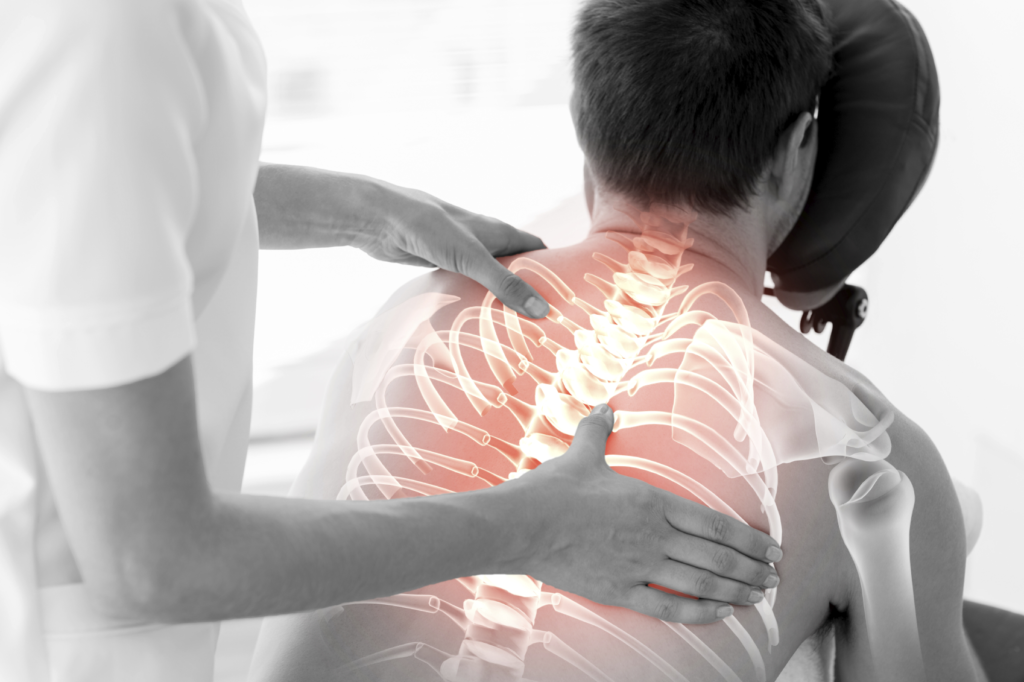
The Healing Touch: How Massage Reduces Pain
Pain is a universal experience, but its causes and severity vary widely. Whether it’s chronic discomfort, muscle soreness, or stress-induced aches, pain can significantly impact your quality of life. While medications and physical therapy are common treatments, massage reduces pain in an effective and natural way. Here’s how massage works to ease discomfort and promote healing.
1. Improves Blood Circulation
When muscles are tense or injured, blood flow to the affected area may be restricted, delaying the healing process. Massage techniques like kneading and stroking increase circulation, delivering oxygen and nutrients to tissues while helping remove metabolic waste. This improved circulation speeds recovery and reduces soreness.
2. Releases Muscle Tension
Tight, knotted muscles are a common source of pain. Massage targets these trigger points, releasing built-up tension and restoring normal function. Techniques like deep tissue massage and myofascial release work to break up adhesions and improve muscle elasticity, relieving pain at its source.
3. Stimulates the Release of Endorphins
Massage therapy stimulates the release of endorphins—your body’s natural painkillers. These feel-good chemicals not only reduce pain but also boost mood and promote relaxation, making massage a holistic approach to pain management.
4. Reduces Inflammation
Inflammation is a key driver of pain, especially in conditions like arthritis or sports injuries. Massage helps reduce inflammation by improving lymphatic drainage, which clears excess fluid and toxins from tissues. Less inflammation means less swelling and discomfort.
5. Interrupts the Pain Cycle
Chronic pain can create a vicious cycle: pain leads to tension, which worsens pain, and so on. Massage breaks this cycle by calming the nervous system and easing muscle tension. This provides immediate relief and prevents the pain from escalating further.
6. Addresses Nerve Compression
Sometimes, pain originates from compressed nerves, such as in sciatica or carpal tunnel syndrome. Tight muscles and fascia can press on nerves, causing sharp or radiating pain. Massage works to release these pressure points, alleviating nerve pain and restoring mobility.
7. Promotes Relaxation and Reduces Stress
Stress doesn’t just affect your mind—it can exacerbate physical pain. Stress hormones like cortisol increase muscle tension and heighten sensitivity to pain. Massage therapy reduces cortisol levels while activating the parasympathetic nervous system, helping you relax and experience less pain.
8. Enhances Posture
Poor posture is a hidden culprit of many types of pain, especially in the neck, shoulders, and lower back. Massage reduces pain by improving alignment and releasing tension in overworked muscles to help restore balance to your posture, reducing strain and discomfort.
9. Complements Medical Treatments
Massage isn’t a standalone solution for all types of pain, but it’s an excellent complement to other treatments like physical therapy, chiropractic care, and medication. By enhancing flexibility, circulation, and relaxation, massage can amplify the benefits of these therapies.
Another resource on how massage reduces pain:
https://breeze.academy/blog/how-does-sports-massage-reduce-pain