
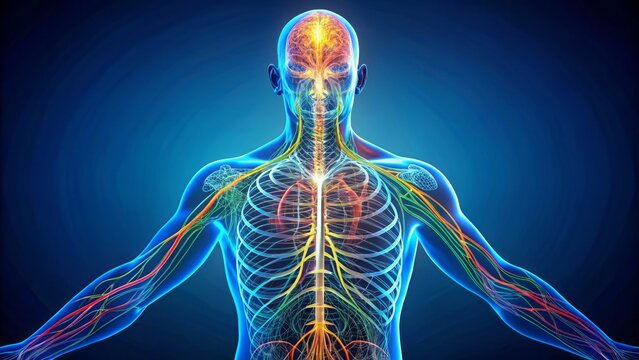
How Massage Impacts Your Nervous System: The Science Behind Relaxation
Massage therapy is widely known for its ability to reduce stress, ease muscle tension, and promote overall well-being. However, its impact on the nervous system is often overlooked. Your nervous system plays a vital role in regulating stress, pain perception, and relaxation. Understanding how massage influences the nervous system can help you make the most of this holistic practice.
The Nervous System and Its Role in Relaxation
The nervous system consists of two main parts: the central nervous system (CNS) and the peripheral nervous system (PNS). Within the PNS, the autonomic nervous system (ANS) controls involuntary bodily functions, such as heart rate, digestion, and respiration. The ANS is further divided into the sympathetic and parasympathetic nervous systems:
- Sympathetic Nervous System (SNS): Responsible for the “fight-or-flight” response, activating stress hormones like cortisol and adrenaline.
- Parasympathetic Nervous System (PNS): Promotes relaxation by slowing heart rate, reducing blood pressure, and enhancing digestion.
Massage therapy helps shift the body from a sympathetic-dominant state to a parasympathetic-dominant state, encouraging relaxation and healing.
Key Ways Massage Affects the Nervous System
1. Reduces Stress and Anxiety
Massage lowers cortisol levels while boosting serotonin and dopamine production. These neurotransmitters are responsible for regulating mood, promoting relaxation, and reducing symptoms of anxiety and depression.
2. Activates the Parasympathetic Nervous System
By stimulating pressure receptors in the skin, it encourages the PNS to take over, leading to a decrease in heart rate and blood pressure. This shift allows the body to enter a state of deep relaxation and recovery.
3. Pain Relief Through the Gate Control Theory
Massage therapy can help block pain signals from reaching the brain through a mechanism known as the Gate Control Theory. By stimulating mechanoreceptors (touch receptors), it effectively competes with pain signals, reducing the perception of pain.
4. Enhances Sleep Quality
By reducing stress hormones and activating relaxation pathways, massage improves sleep quality. Studies show that it increases delta waves, the brain waves associated with deep sleep.
5. Regulates the Vagus Nerve
The vagus nerve is a key component of the parasympathetic nervous system. Massage stimulates this nerve, promoting calmness, reducing inflammation, and improving heart rate variability (HRV), which is a marker of overall nervous system balance.
Best Types of Massage for Nervous System Support
- Swedish: Uses gentle strokes to enhance circulation and activate the PNS.
- Deep Tissue: Targets deep muscle layers, reducing chronic pain and tension.
- Reflexology: Focuses on pressure points in the hands and feet, stimulating the nervous system and improving overall relaxation.
- Aromatherapy: Incorporates essential oils known for their calming effects on the nervous system.
Final Thoughts
Massage therapy is a powerful tool for balancing the nervous system, promoting relaxation, and reducing stress-related disorders. By incorporating regular sessions into your wellness routine, you can support your nervous system’s health, improve mood, and enhance overall well-being.
Whether you seek relief from anxiety, chronic pain, or simply want to unwind, it provides a natural and effective way to restore balance to your body and mind.
If you’re looking for professional services to experience these benefits first-hand, consider booking an appointment today!
Another resource on the nervous system: